
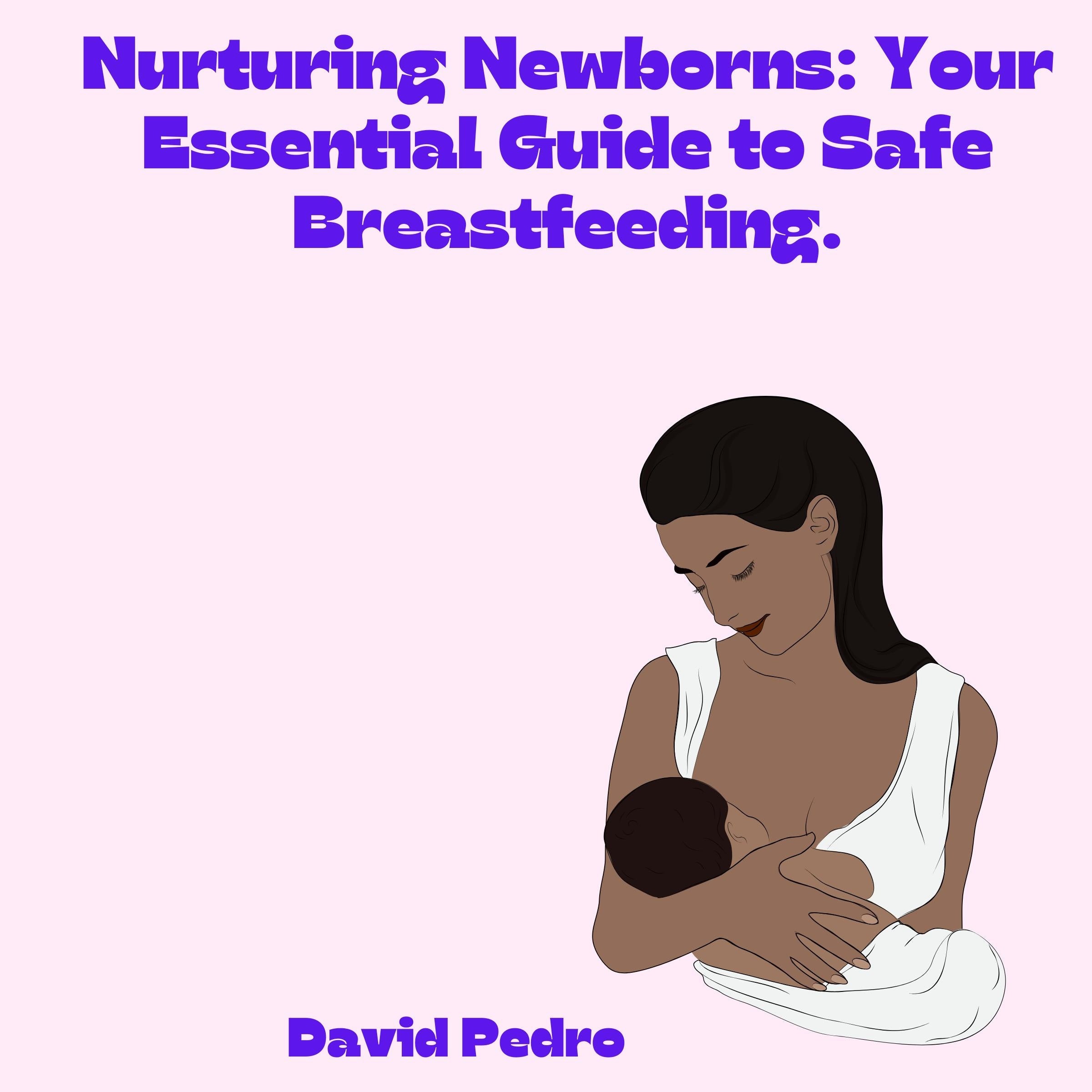
Nurturing Newborns: Your Essential Guide to Safe Breastfeeding.
Breastfeeding is a crucial aspect of early motherhood that plays a significant role in the health and development of both the mother and the baby. Yet, many mothers face challenges or choose not to breastfeed due to various reasons, such as lack of support, time constraints, or misconceptions about formula feeding. Understanding the consequences of not breastfeeding and the benefits it offers can help new mothers make more informed decisions for their well-being and their child's future.The Risks of Not Breastfeeding: Health Risks to the Baby: Babies who are not breastfed miss out on vital nutrients and antibodies that can protect them from infections, illnesses, and diseases. Breastfeeding strengthens the baby's immune system, reducing the likelihood of:Respiratory infections and ear infectionsGastrointestinal issues, such as diarrhoeaChronic conditions later in life, like asthma, obesity, and type 2 diabetesThe Importance of BreastfeedingNutritional Superiority: Breast milk is the perfect food for infants. It contains the ideal balance of fats, proteins, carbohydrates, vitamins, and minerals to meet the baby's developmental needs. Unlike formula, breast milk adapts to the baby's changing nutritional requirements as they grow. Boosts Immunity: Breastfeeding helps protect babies from various illnesses, thanks to the antibodies in the milk, especially colostrum (the first milk). These antibodies protect against respiratory and digestive infections, helping babies build a more robust immune system
Praise