
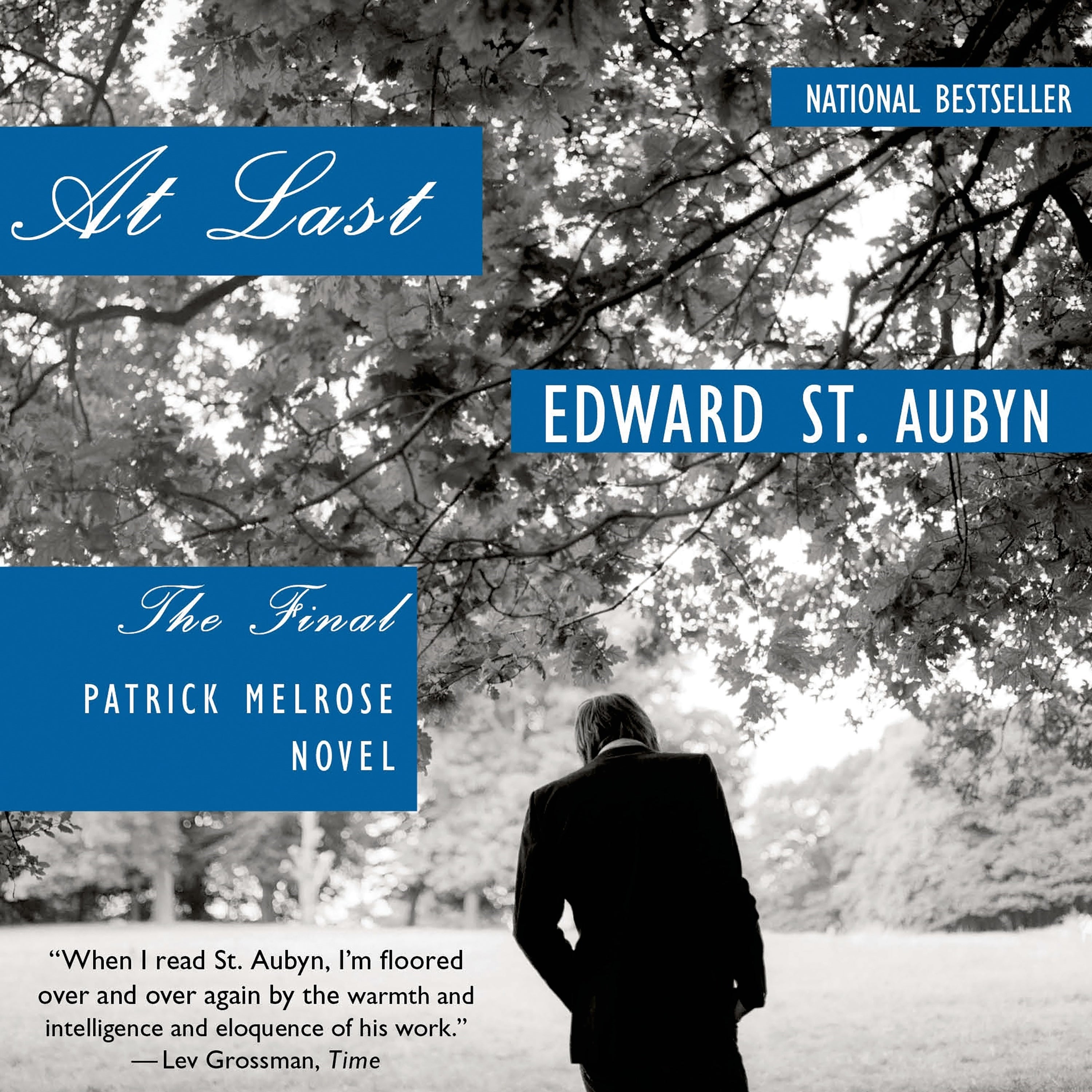
The Patrick Melrose Series - Book 5
At Last
“ . . . one of the most amazing reading experiences I've had in a decade. After all the suffering and torment and despair that Patrick Melrose has been through over the years, [St. Aubyn] leaves him in a very interesting place, and he does it all with his incredible examination of the sweep of time and the way our understanding of people changes over decades. All of that is done with this incredible, biting, witty, hilarious prose style, the elegant, classic English sentences that he writes and these amazing put-downs, and he's great at dissecting an entire social world with a really wicked scalpel.
Among longlisted titles for New York Times Book Review Notable Books of the Year, 2012
Winner of NPR Best Book of the Year, 2013
Among longlisted titles for Time Magazine Top 10 Books of the Year, 2012
Among longlisted titles for Esquire Magazine Best Books of the Year
A New York Times Notable Book of 2012 One of The Telegraph's Best Fiction Books 2011 One of Esquire's Best Books of 2012 One of TIME's Top 10 Fiction Books of 2012 Here, from the writer described by The Guardian as "our purest living prose stylist" and whom Alan Hollinghurst has called "the most brilliant English novelist of his generation," is a work of glittering social comedy, profound emotional truth, and acute verbal wit. At Last is also the stunning culmination of one of the great fiction enterprises of the past two decades in the life of the English novel. As readers of Edward St. Aubyn's extraordinary earlier works—Never Mind, Bad News, Some Hope, and the Man Booker Prize finalist Mother's Milk—are well aware, for Patrick Melrose, "family" has always been a double-edged sword. At Last begins as friends, relatives, and foes trickle in to pay final respects to his mother, Eleanor. An American heiress, Eleanor married into the British aristocracy, giving up the grandeur of her upbringing for "good works" freely bestowed on everyone but her own son, who finds himself questioning whether his transition to a life without parents will indeed be the liberation he had so long imagined. The service ends, and family and friends gather for a final party. Amid the social niceties and social horrors, Patrick begins to sense the prospect of release from the extremes of his childhood, and at the end of the day, alone in his room, the promise some form of safety. . . at last.
Praise