
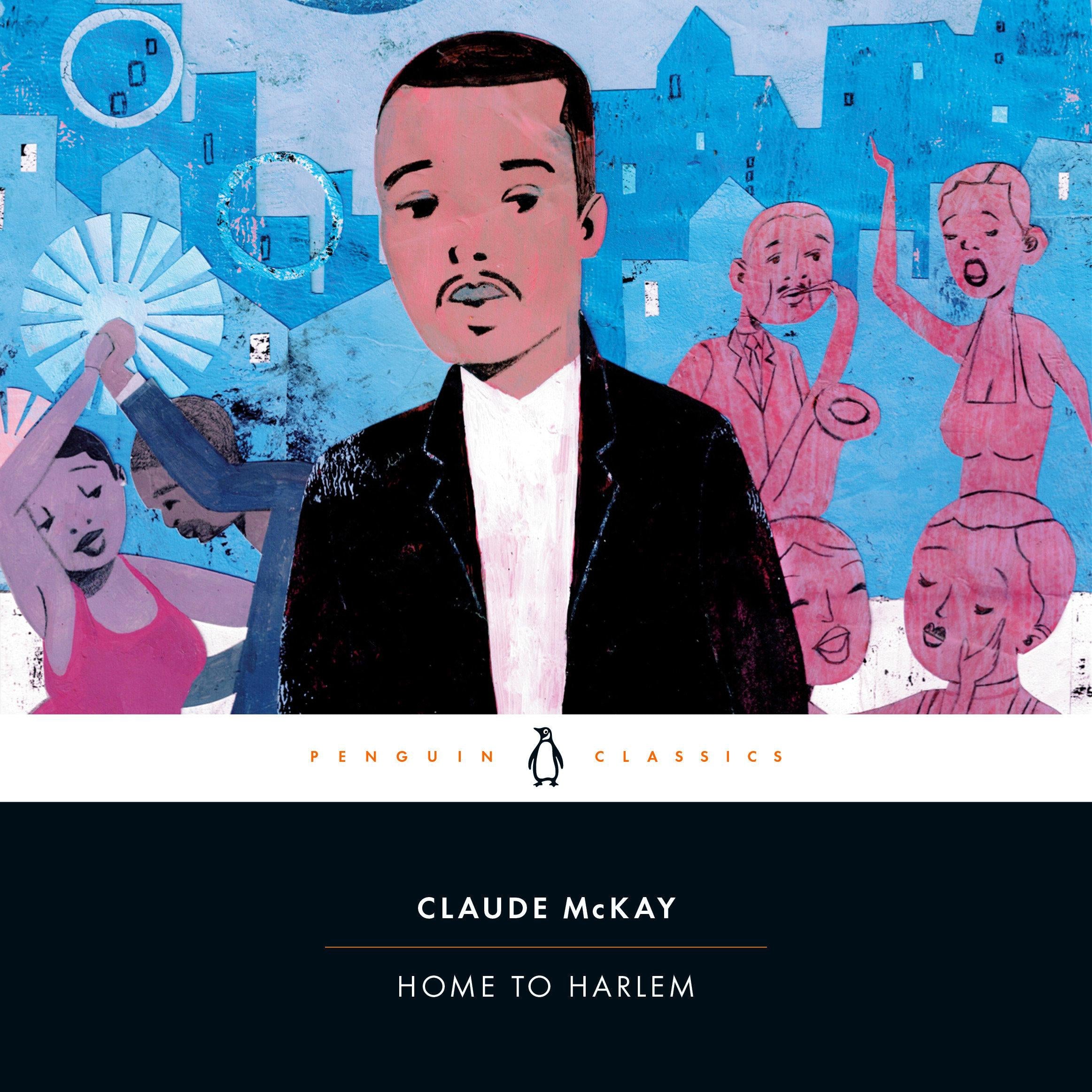
Home to Harlem
By
Claude McKay
Read by
Kevin R. Free
Release:
02/04/2025
Runtime:
6h 9m
Unabridged
Quantity:
“As Kevin R. Free deftly narrates this 1928 bestseller with understated ease, the strength, newfound artistic freedoms, and dizzying magic of the Harlem Renaissance come to life…Author Claude McKay was a master of dialogue and dialect, and Golden Voice Free is at his best giving distinct voices and accents to the many tough guys (and girls), rail workers, and kitchen staff. The bisexual McKay never shied away from discussions of sexual freedom, racism, and class prejudices. Powerful, important listening. Winner of the AudioFile Earphones Award.”
AudioFile
Winner of an AudioFile Earphones Award
Winner of the Harmon Foundation Award for Literature
Claude McKay’s most well-known Harlem Renaissance novel now in Penguin Classics
A Penguin Classic
Claude McKay’s first novel, Home to Harlem, was published in 1928 during the height of the Harlem Renaissance. McKay portrays Harlem post-WWI through two Black migrants to New York: Jake, a Southern-born African American longshoreman who deserts the U.S. army and returns to his home in Harlem; and Ray, an educated Haitian immigrant. With his innovative use of Black dialects, McKay portrays a complex world of Black people, both native-born and immigrant, who navigate a dynamic society in the midst of radical change. Harlem is portrayed as a cauldron of Black life where Black people experience both White racism and intra-Black prejudice as well as sexual freedom and pleasure, all through the prism of Harlem’s jazz nightlife. Home to Harlem sparked controversy among Black critics. W.E.B. Du Bois considered it reductive and stereotypical while Marcus Garvey accused McKay of pandering to racist white tastes for degrading depictions of Blacks. Other critics such as Langston Hughes embraced Home to Harlem for its frank depictions of modern Black working class life and its meditation on enduring social inequalities. This debate within the Harlem’s intellectual community, combined with the curiosity of white readers to learn more about this modern Black space, drove Home to Harlem to become the first commercial bestseller by a Black novelist in the United States.
A Penguin Classic
Claude McKay’s first novel, Home to Harlem, was published in 1928 during the height of the Harlem Renaissance. McKay portrays Harlem post-WWI through two Black migrants to New York: Jake, a Southern-born African American longshoreman who deserts the U.S. army and returns to his home in Harlem; and Ray, an educated Haitian immigrant. With his innovative use of Black dialects, McKay portrays a complex world of Black people, both native-born and immigrant, who navigate a dynamic society in the midst of radical change. Harlem is portrayed as a cauldron of Black life where Black people experience both White racism and intra-Black prejudice as well as sexual freedom and pleasure, all through the prism of Harlem’s jazz nightlife. Home to Harlem sparked controversy among Black critics. W.E.B. Du Bois considered it reductive and stereotypical while Marcus Garvey accused McKay of pandering to racist white tastes for degrading depictions of Blacks. Other critics such as Langston Hughes embraced Home to Harlem for its frank depictions of modern Black working class life and its meditation on enduring social inequalities. This debate within the Harlem’s intellectual community, combined with the curiosity of white readers to learn more about this modern Black space, drove Home to Harlem to become the first commercial bestseller by a Black novelist in the United States.
Release:
2025-02-04
Runtime:
6h 9m
Format:
audio
Weight:
0.0 lb
Language:
English
ISBN:
9798217066513
Publisher:
Penguin Random House
Praise